Skip to content


Parapet walls are not only architectural elements—they are critical safety components of any flat roof structure. In Germany, strict building regulations define how parapets must be designed to ensure protection against falls, structural failure, and long-term performance risks.
For architects, developers, and contractors, understanding these safety standards is essential. Non-compliance does not only lead to technical issues, but also to legal liability and potential project delays.
This article explains the latest safety requirements for parapet walls in Germany and how they apply in real construction projects.
Why Parapet Wall Safety Standards Are Critical in Flat Roof Construction
Parapets serve as the primary safety barrier at the roof edge. Without proper design and execution, flat roofs can pose significant risks to users, maintenance personnel, and construction teams.
German building regulations emphasize that safety must be ensured both during construction and throughout the building’s lifecycle. This includes protection against falls, resistance to loads, and durability under environmental conditions.
A properly designed parapet is therefore not optional—it is a mandatory safety element that must meet clearly defined standards.

Minimum Parapet Height Requirements in Germany
Parapet height is one of the most important safety criteria defined in German construction standards. The required height depends on the building use, accessibility, and fall risk.
Standard Height for Accessible Roof Areas
For roofs that are accessible for maintenance or use, parapet heights typically need to provide effective fall protection. In many cases, a minimum height of approximately 1.10 meter is required to ensure adequate safety, specifically if the fall height is greater than 12 meters.
This requirement ensures that individuals working or moving near the roof edge are protected from accidental falls.
Increased Requirements for Residential and Public Buildings
In residential and public buildings, especially where balconies or terraces are involved, higher parapet or guardrail heights may be required.
These requirements are often aligned with safety standards for railings and balustrades, ensuring consistent protection across all accessible edges of the building.
Relevant DIN Standards for Parapet Wall Safety
German construction follows a system of DIN standards that define technical and safety requirements. Several of these are directly relevant to parapet wall construction.
DIN 18531 – Waterproofing and Roof Edge Design
DIN 18531 governs flat roof waterproofing and includes requirements for roof edge detailing. It ensures that parapets are designed to prevent water ingress and maintain structural integrity.
The standard also defines minimum heights for waterproofing upstands, which are critical for both safety and durability.
DIN 18065 – Safety and Barrier Requirements
DIN 18065 focuses on stair and fall protection systems, but its principles are often applied to parapets and roof edges.
It establishes requirements for guard heights and safety barriers, ensuring consistent fall protection across different building elements.
Additional Safety and Structural Considerations
Beyond specific DIN standards, parapets must also meet structural requirements related to wind loads, impact resistance, and long-term stability.
This ensures that the parapet remains safe under real-world conditions, including extreme weather and regular use.
Fall Protection and Load Requirements for Parapet Walls
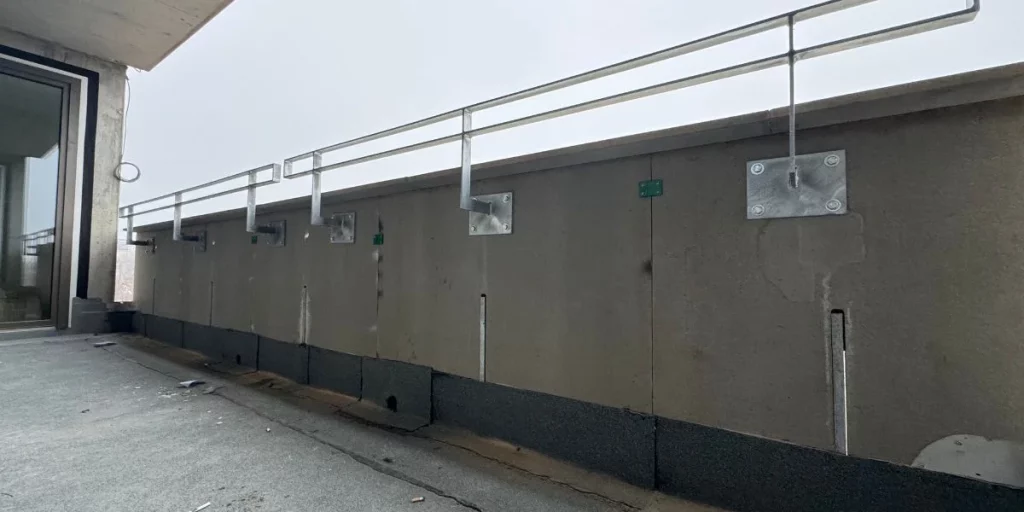
Parapet walls must not only be high enough—they must also be strong enough to resist loads and forces.
In Germany, safety standards require that parapets withstand horizontal loads caused by people leaning against them, as well as environmental forces such as wind pressure.
Proper anchoring, material selection, and construction methods are essential to meet these requirements. Failure to consider load resistance can compromise both safety and compliance.
Common Compliance Challenges in Real Construction Projects
Even with clear standards in place, achieving full compliance can be challenging in practice. Many issues arise not from lack of knowledge, but from the complexity of construction processes.
One common challenge is coordination between trades. Parapet construction involves multiple disciplines, including structural work, waterproofing, and façade integration. Misalignment between these elements can lead to deviations from required standards.
Another challenge is maintaining precision on-site. Traditional construction methods often introduce tolerances that affect height, alignment, and detailing, making compliance more difficult to achieve consistently.
How Prefabricated Parapet Systems Support Compliance
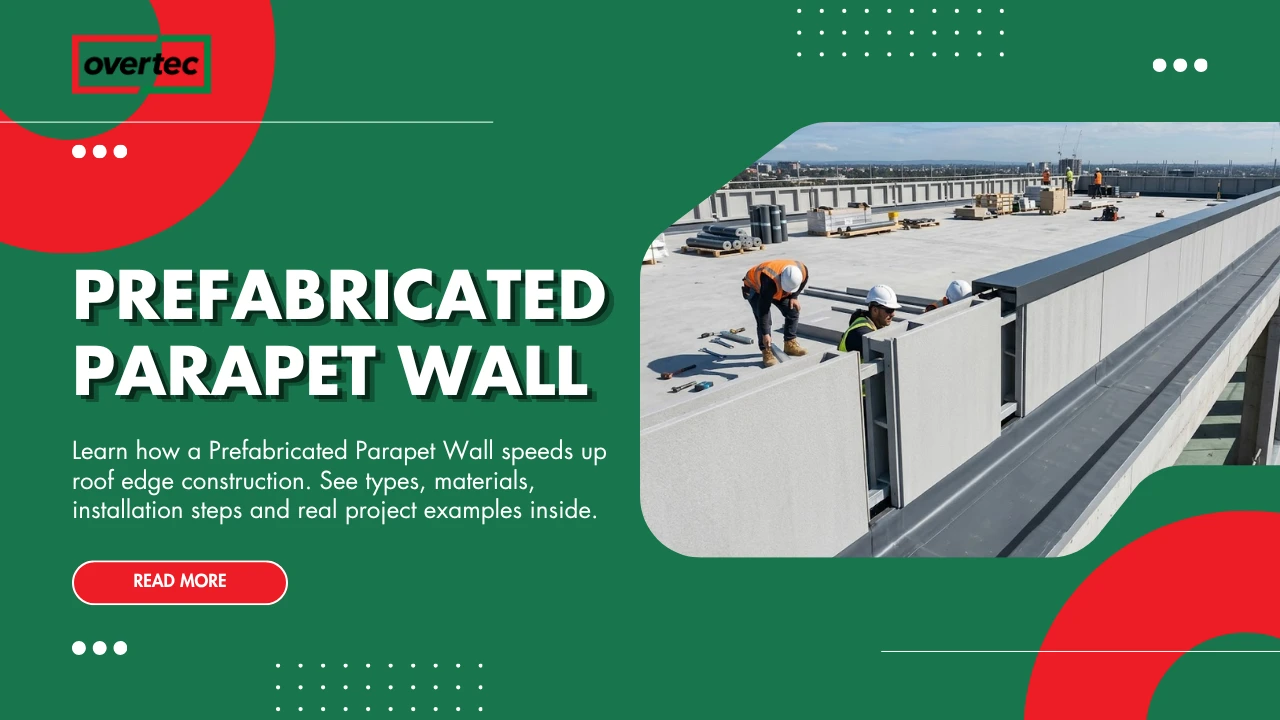
Prefabricated parapet systems are increasingly used to improve compliance with safety standards. By shifting key aspects of construction into a controlled production environment, these systems reduce variability and increase precision.
They allow for accurate implementation of required heights, consistent geometry, and reliable integration with waterproofing systems.
This approach helps ensure that safety requirements are met not only in design, but also in execution.
Related Service: Prefabricated Parapet Systems for Safe Roof Edge Design
Overtec provides prefabricated parapet systems designed to support safe and compliant roof edge construction.
These systems are engineered to align with relevant standards and simplify the implementation of safety requirements on-site. By reducing construction complexity, they help architects and contractors achieve reliable results.
Visit Overtec.com or contact the team to learn how prefabricated systems can support compliance in your project.
Conclusion
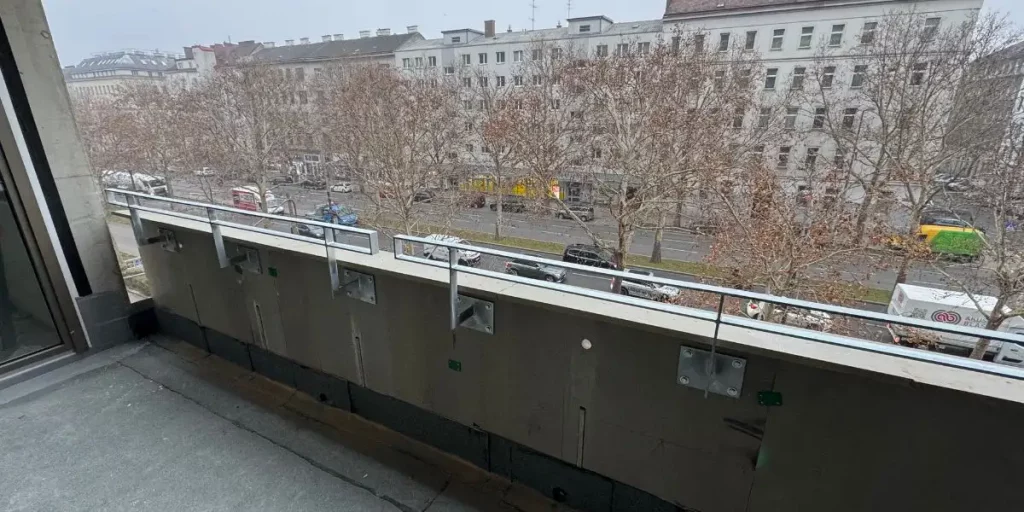
Parapet wall safety standards in Germany are clearly defined and strictly enforced. They cover height requirements, structural performance, and integration with other building systems.
For architects and builders, understanding these regulations is essential to ensure safety, avoid legal risks, and deliver high-quality construction.
Modern prefabricated solutions provide an effective way to meet these standards consistently, making them an increasingly important part of contemporary building practice.
FAQ – Parapet Wall Safety Standards Germany
For accessible roof areas, parapet heights are typically around 1.10 meter, depending on building type and usage.
DIN 18531 (waterproofing) and DIN 18065 (fall protection) are among the most relevant standards.
Not always, but fall protection must be ensured through parapets or alternative safety systems.
Through precise planning, coordination between trades, and the use of systems that reduce execution errors.