Skip to content


When constructing a home, office, or high-rise – including projects using prefabricated parapet systems – choosing the right materials can make all the difference. Prefabricated wooden-concrete elements are becoming increasingly popular due to their unique combination of wood’s warmth and flexibility with concrete’s strength and durability.
These hybrid materials are excellent construction materials for a wide range of projects, combining visual interest with structural stability.
- Are they durable? Yes! Both concrete, whose strength gives it longer life, and wood, which absorbs vibration, are good materials that can withstand wind and rain and extreme environments, and heavy use.
- How sustainable are they? Made with sustainably sourced wood that supports greener practices, prefabricated wood-concrete elements reduce waste and labor while enabling eco-friendly building without sacrificing quality.
- Can they save money and time? Faster Assembly, More Cost-Effective Labor, and New Project Completion in Less Time Off-site production means faster assembly, more cost-effective labor, and new project completion in less time.
- How energy-efficient are they? This is due to their inherent insulating properties and thermal mass which provides energy savings by reducing heating and cooling costs.
- Are they flexible in design? They provide both performance and aesthetic versatility by matching to a variety of architectural styles.
Read on to learn about these 5 advantages, and why the future of construction is already in motion in the form of prefabricated wood-concrete elements.
Here’s the paragraph rewritten with a natural, meaningful bridge to the parapet-wall link — without forcing it or breaking the flow.
Optimized content:
They are innovative materials of wooden-concrete prefabricated elements. They combine a natural warmth of wood while having the rigidity of concrete. The result is both a strong material and a sustainable material. These components are manufactured off-site in a controlled environment and are quickly assembled on-site which accelerates the construction process — the same precision-driven approach used in modern parapet wall systems.
Key Features:
- Wood provides warmth and flexibility.
- Concrete delivers strength and durability.
- The materials are produced off-site for better quality control.
- On-site assembly is fast and efficient.
These materials combine wood and concrete together and give you both strength and sustainability. They are energy efficient, sustainable nature, and applicable to different construction styles.
5 Benefits of Prefabricated Wood-Concrete Structures
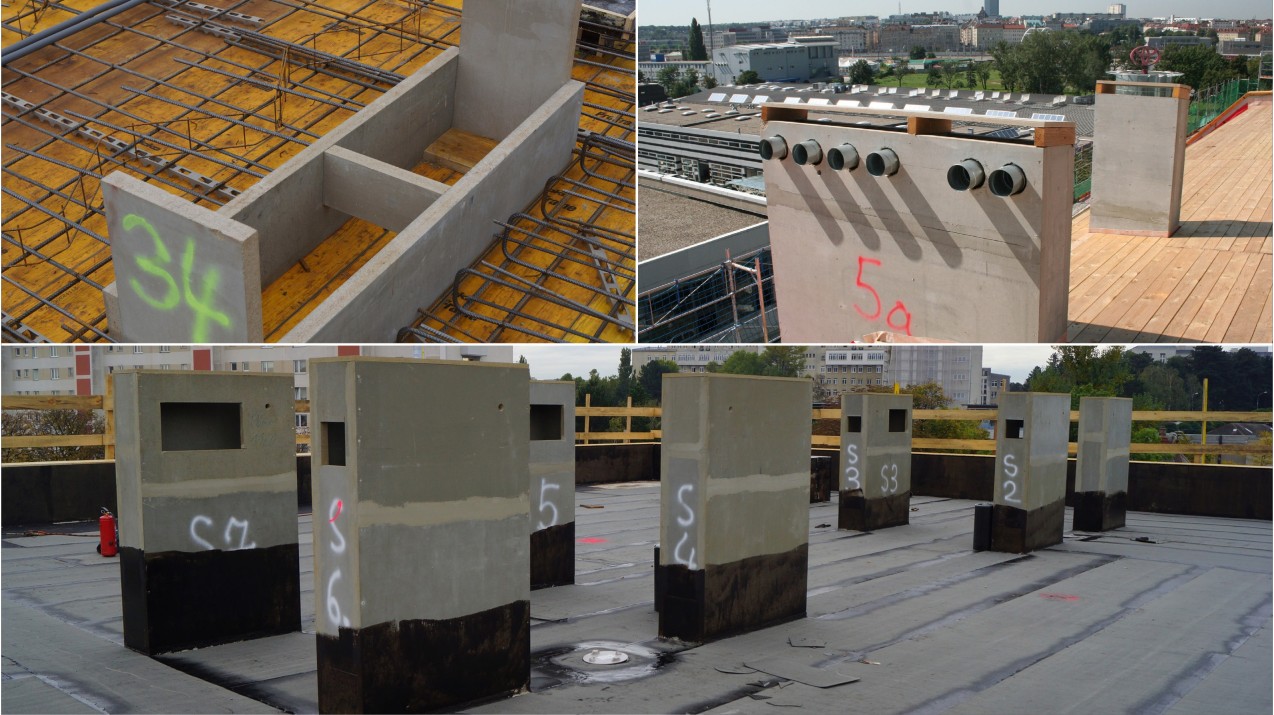
Wood-concrete prefabricated structures combine the utmost advantages of both wood and concrete that yield unmatched benefits fit for contemporary construction. But here are the top five reasons to specify these hybrid materials for your next building project:
1. Enhanced Durability and Strength
- Concrete’s Strength: The concrete component provides structural integrity, making the materials strong and resilient.
- Wood’s Vibration Absorption: Wood absorbs vibrations, reducing noise and providing additional flexibility.
- Ideal for Harsh Conditions: This hybrid material is perfect for buildings exposed to extreme weather, heavy loads, and seismic activity.
- Example: A 30-story building in China was completed in 15 days using these materials, and it can withstand earthquakes up to a magnitude of 9.
2. Sustainability and Eco-Friendliness
- Sustainably Sourced Wood: The wood used in these materials comes from responsibly managed forests, reducing environmental impact.
- Reduced Waste: Prefabrication allows for precise production, minimizing waste during construction.
- Efficient Production: The controlled factory environment results in less material excess, supporting greener building practices.
- Greener Choice: These hybrid materials align with sustainable building goals while maintaining high performance.
3. Cost-Efficiency and Time Savings
- Off-Site Production: A significant portion of the construction is completed off-site, reducing on-site labor costs.
- Faster Assembly: The prefabricated components are made with precision, ensuring quicker assembly on-site.
- Less Rework: With high precision, errors are minimized, saving both time and money.
- Quicker Completion: Prefabricated systems significantly reduce build time, leading to faster project completion and earlier occupancy.
4. Improved Thermal Insulation and Energy Efficiency
- Natural Insulation: Wood is a natural insulator, while concrete’s thermal mass helps regulate temperature.
- Energy Savings: The combination of these materials results in buildings that stay warmer in the winter and cooler in the summer.
- Lower Utility Bills: This energy efficiency reduces heating and cooling costs, providing long-term savings for homeowners and businesses.
- Year-Round Comfort: Buildings made with these materials maintain comfortable temperatures throughout the year.
5. Aesthetic Flexibility and Design Versatility
- Wide Design Options: These hybrid materials can fit a variety of architectural styles, from modern to traditional.
- Natural Aesthetic: The warmth and beauty of wood blend well with the sleek, contemporary look of concrete.
- Functional and Beautiful: These materials not only perform well structurally but also contribute to visually stunning designs.
- Versatile for Any Project: Whether for residential homes or large-scale commercial buildings, these materials offer both form and function.
Why Choose Prefabricated Wood-Concrete Elements?
Today, we see prefabricated wood–concrete systems as an ideal opportunity for modern building. This makes them a great option for many types of builds, as they can offer strength, energy efficiency, and sustainability.
They incorporate all of the strengths of wood and concrete, providing a durable, sustainable, and cost-effective alternative to meet current building demands. These same hybrid principles apply directly to Overtec’s parapet and balustrade systems — see how they compare.
Prefabricated Wooden-Concrete Elements in Construction: Overtec’s Impact
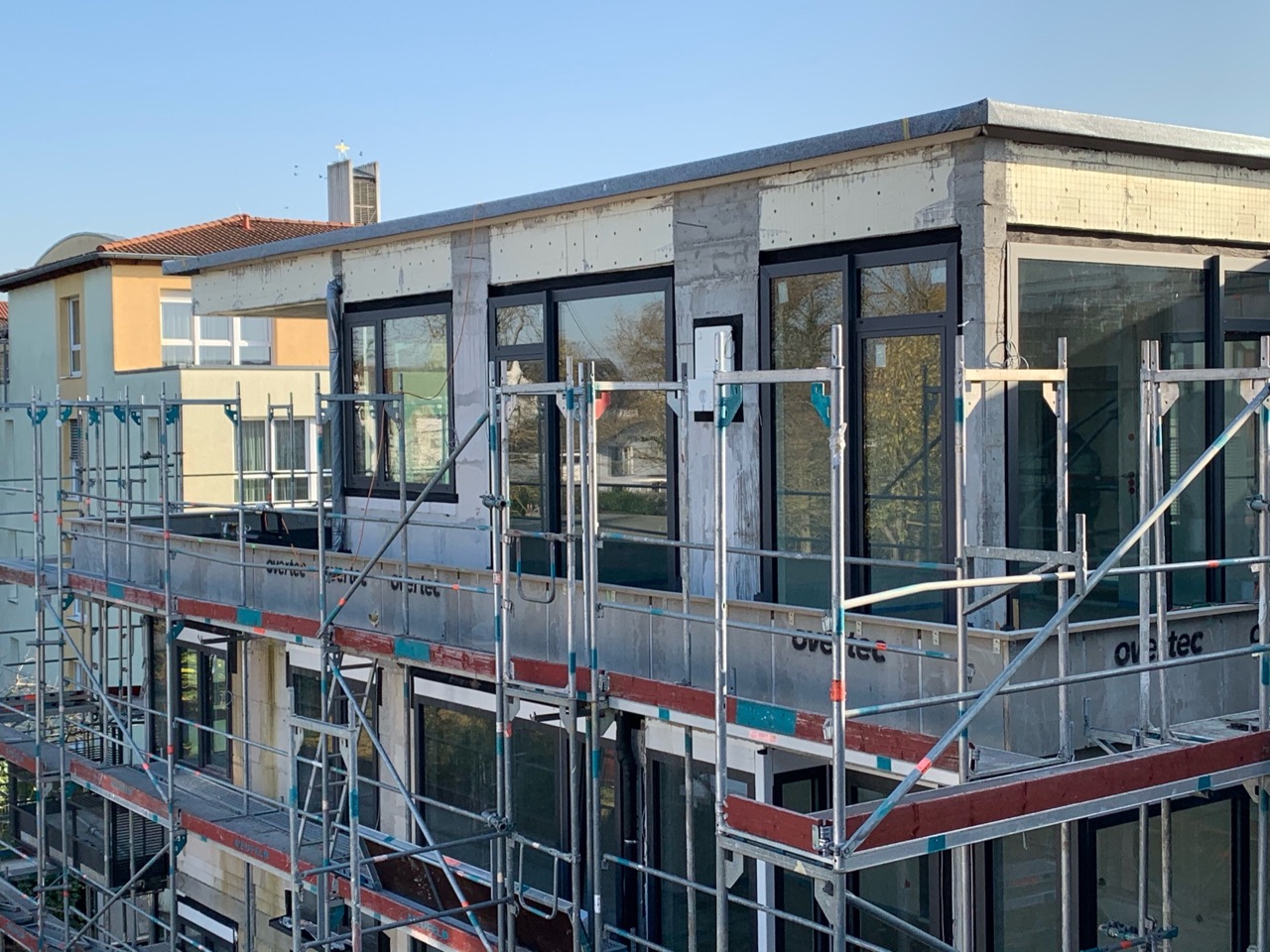
Leading the construction change is Overtec who offers prefabricated wood-concrete composites. They merge cutting-edge technology and sustainability to create groundbreaking industry standards. They improve assembly speed and quality whilst lowering the environmental footprint with Overtec’s systems.
These hybrid materials are employed in everything from residential houses to substantial commercial structures. They are long-lasting, flexible and allow an effective, sustainable construction process. Prefabricated wooden-concrete elements are the future of construction, and Overtec is doing that kind of work.
Essentially, Overtec yields more expedient project roll-out, lower expenses all with the added benefit of supporting eco-friendly construction methodology. Overtec revolutionises construction for better productivity and sustainability.
FAQ Section:
Although these wood-concrete composites are more expensive in the beginning, you will save on labor and energy costs over time. The off-site precision manufacturing reduces on-site labor, and the energy-efficient buildings reduce operations costs.
These hybrid materials support a more sustainable approach to building by sustainably sourcing wood and minimizing waste through efficient manufacture. This controlled process lowers its impact on the environment compared to the conventional in-situ methods.
Yes, these prefabricated materials are versatile and can be used for a wide range of projects, from private homes to commercial complexes, thanks to their strength, versatility, and design options.
These materials are extremely long-lasting and can last for decades when appropriately maintained. Buildings made from this combination of concrete and wood are built to last thanks to the durability of concrete and the insulating properties of wood.
Of course, concrete has some fireproof properties, while with treated wood it can be sealed for water damage, so they can handle varying environments. We do not claim the rights over any of the appearances in this video and its only for entertainment purpose.