 Skip to content


Off site prefabrication construction is changing the way buildings are designed, manufactured and assembled. Instead of producing every component at the construction site, significant parts of the building can be manufactured in a controlled factory environment and transported to site for installation. The idea is straightforward, but successful prefabrication requires much more than moving construction […]
An environmental product declaration (EPD) is becoming an increasingly important source of environmental information for architects, engineers, developers, contractors and construction-product manufacturers. As the construction industry focuses more strongly on embodied carbon, material efficiency and whole-life environmental performance, simply describing a product as “sustainable” is no longer enough. Design teams increasingly need measurable information that […]
Choosing between precast vs cast in place concrete is not simply a choice between two ways of using concrete. It is a decision about how a building is designed, manufactured, scheduled, transported, installed and maintained. With cast in place concrete, reinforcement, formwork and concrete are assembled at the project site. The concrete is poured into […]
Precast concrete walls are manufactured before installation, usually in a controlled factory or specialised production facility, and then transported to the construction site as finished or substantially finished building components. This approach has changed the way many buildings are constructed. Instead of producing every reinforced concrete wall directly at the project site, manufacturers can produce […]
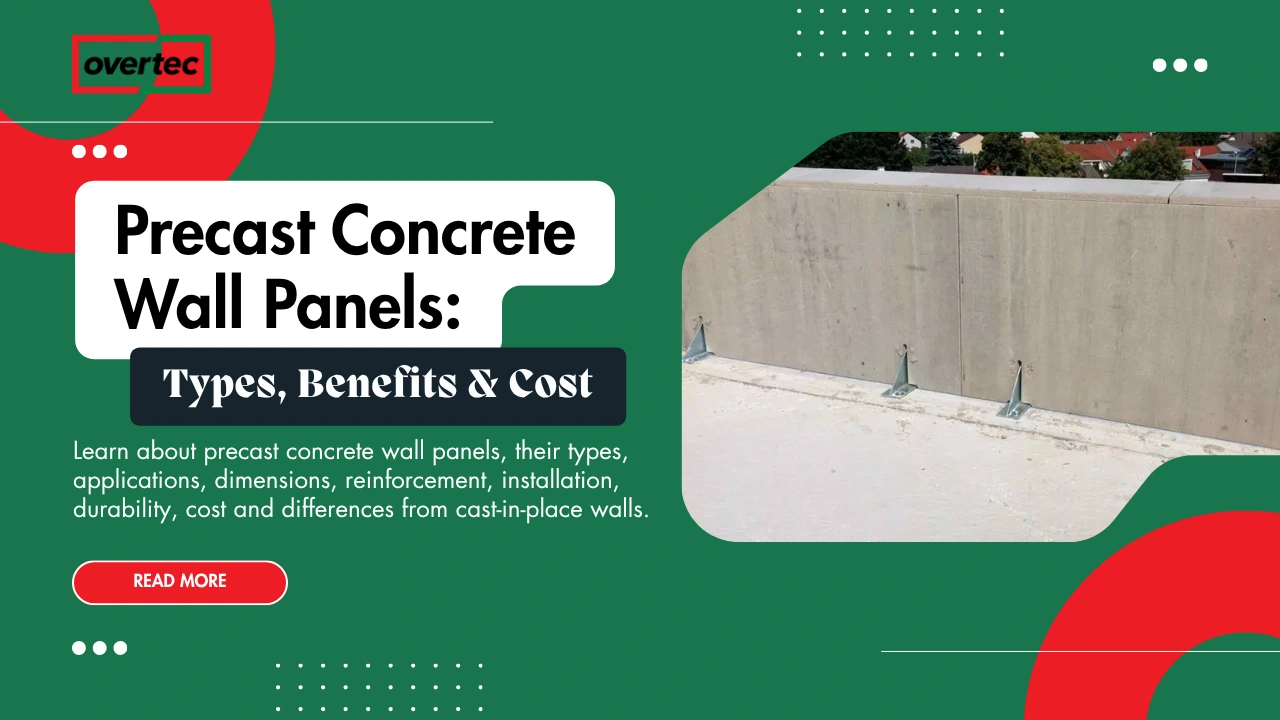
Precast concrete wall panels have become an important part of modern construction because they move a large portion of wall manufacturing from the building site into a controlled production environment. Instead of building formwork, placing reinforcement and pouring concrete for every wall at the project location, a precast wall panel can be manufactured in a […]
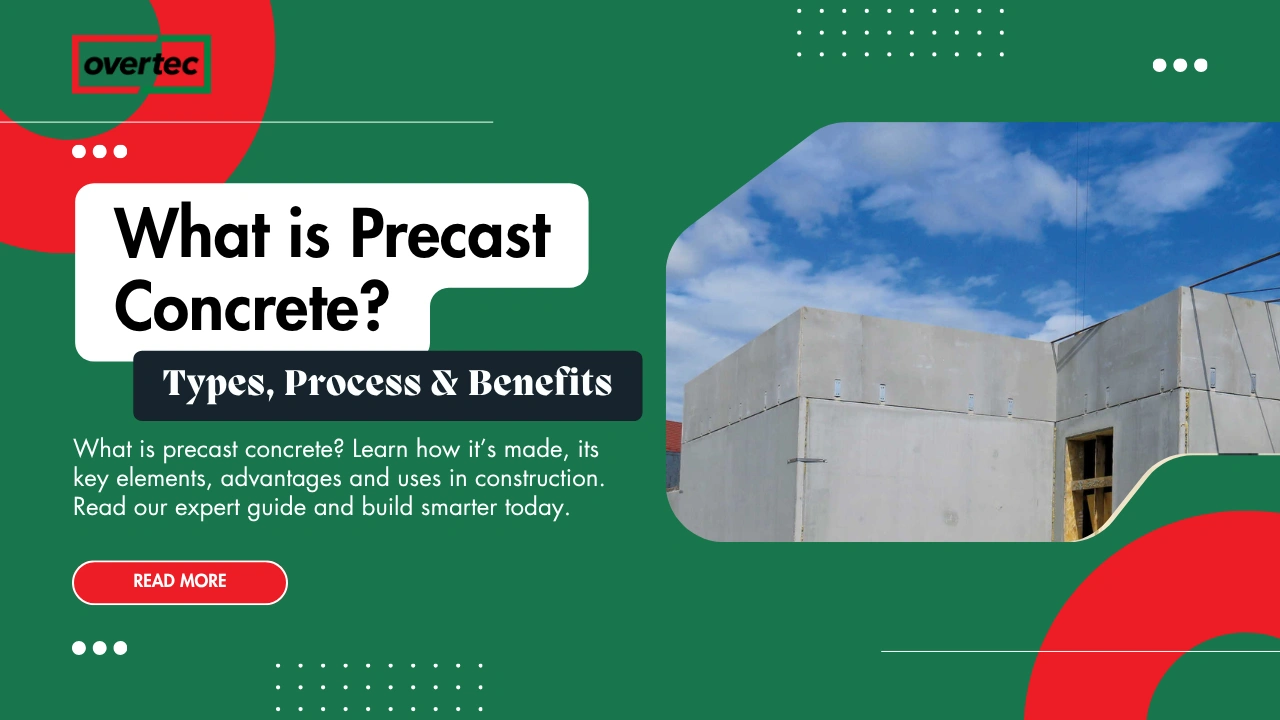
Precast concrete is concrete that is manufactured in a controlled production facility before being transported to the construction site for installation. Instead of casting every structural or architectural component directly on site, the concrete is produced in reusable moulds, reinforced as required, cured under controlled conditions and delivered as finished concrete elements. This approach changes […]
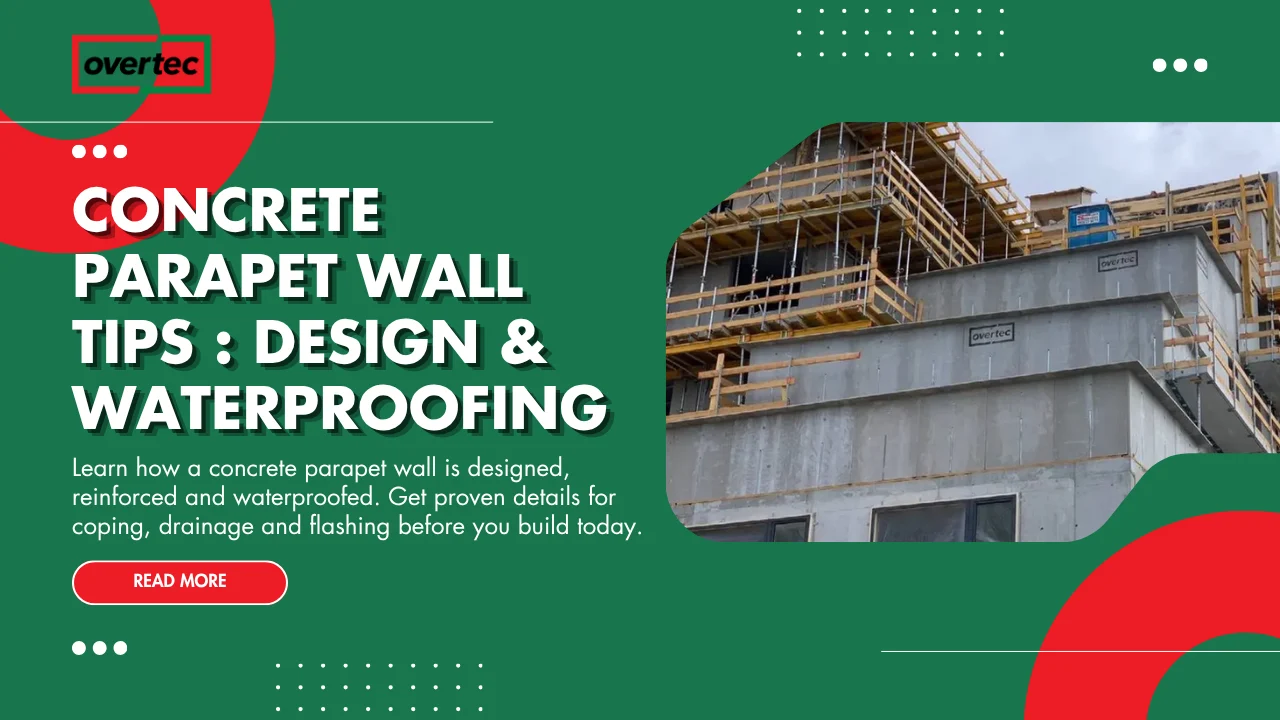
A concrete parapet wall is one of the most durable ways to form a raised edge around a roof, terrace, balcony or other elevated building area. It can provide a robust architectural edge, conceal roof build-ups and services, support edge protection systems and create a defined transition between the roof and façade. But concrete alone […]
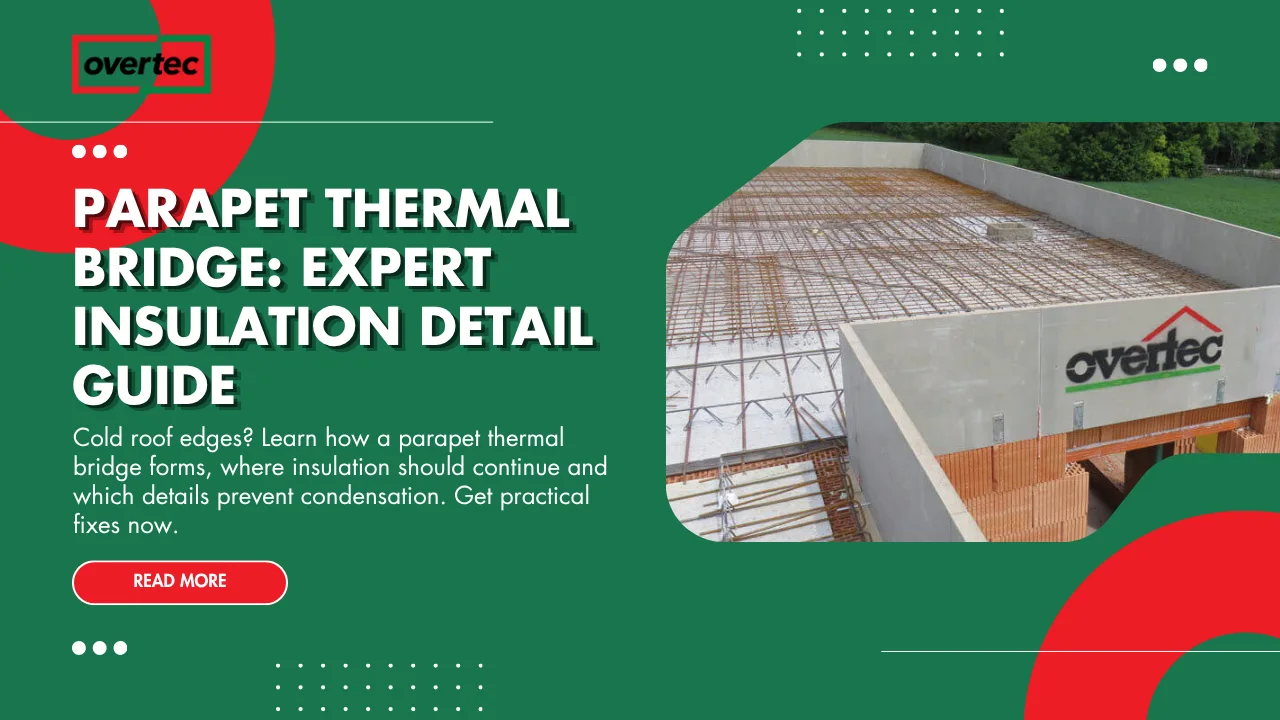
A parapet thermal bridge is one of the easiest details to overlook when designing a highly insulated building envelope. The roof may have continuous insulation. The external wall may have excellent thermal performance. Windows may use thermally broken frames. Yet heat can still escape through the junction where the roof, wall and parapet meet. This […]
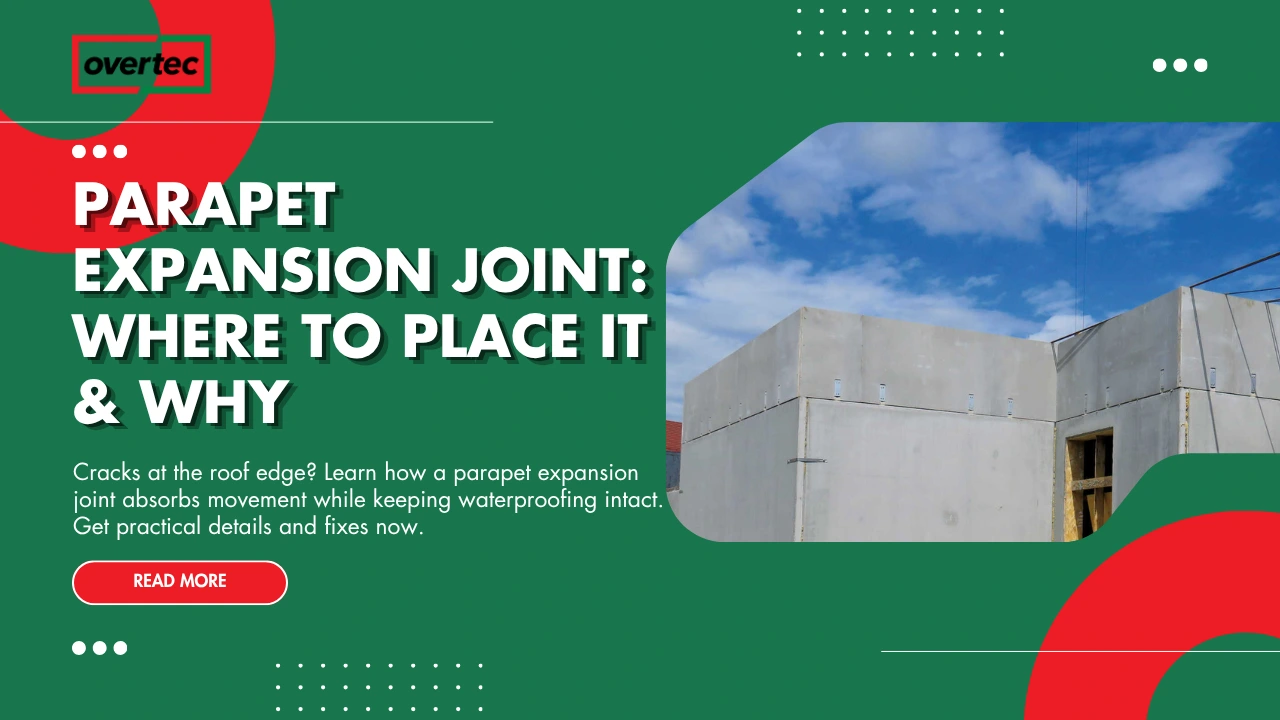
A parapet expansion joint is a deliberate separation or movement-accommodating connection used where a parapet or roof-edge construction needs to accommodate structural, thermal, shrinkage or differential movement. It is easy to underestimate this detail. A parapet may look like a simple vertical wall at the edge of a flat roof, but it is connected to […]
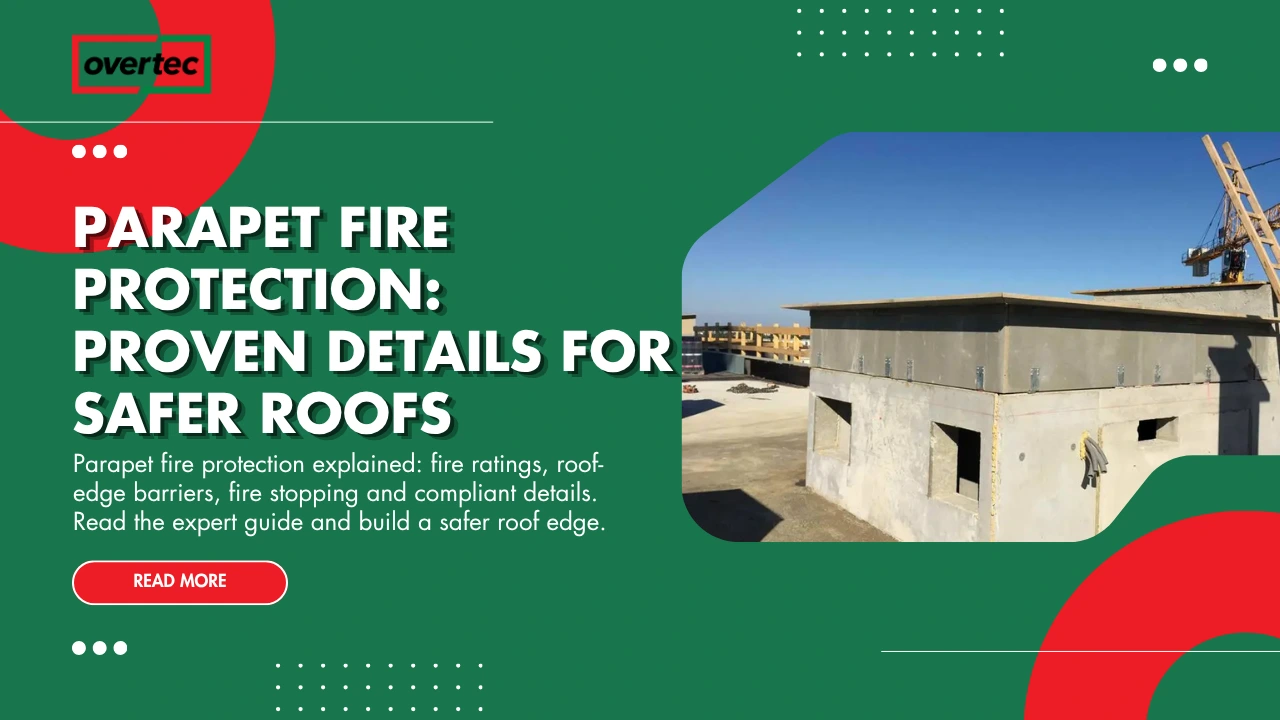
A parapet is often associated with waterproofing, roof drainage and fall protection, but on many buildings it also plays an important role in parapet fire protection. At the roof edge, fire can spread beyond a compartment through the external wall, roof construction or façade. A correctly designed parapet or roof-edge protection system can help limit […]
