Skip to content



The parapet cap is often seen as a finishing element—but in reality, it is one of the most critical components of roof edge protection.
While most attention is given to waterproofing membranes and flashing, water frequently enters buildings from above, through poorly designed or incorrectly installed parapet caps.
A failed parapet coping detail allows water to penetrate directly into the parapet structure, leading to hidden moisture damage, cracking, and long-term deterioration.
In many cases, parapet cap failure is not immediately visible, making it one of the most underestimated risks in flat roof construction.
What Is a Parapet Cap and Why It Is Essential in Roof Edge Protection
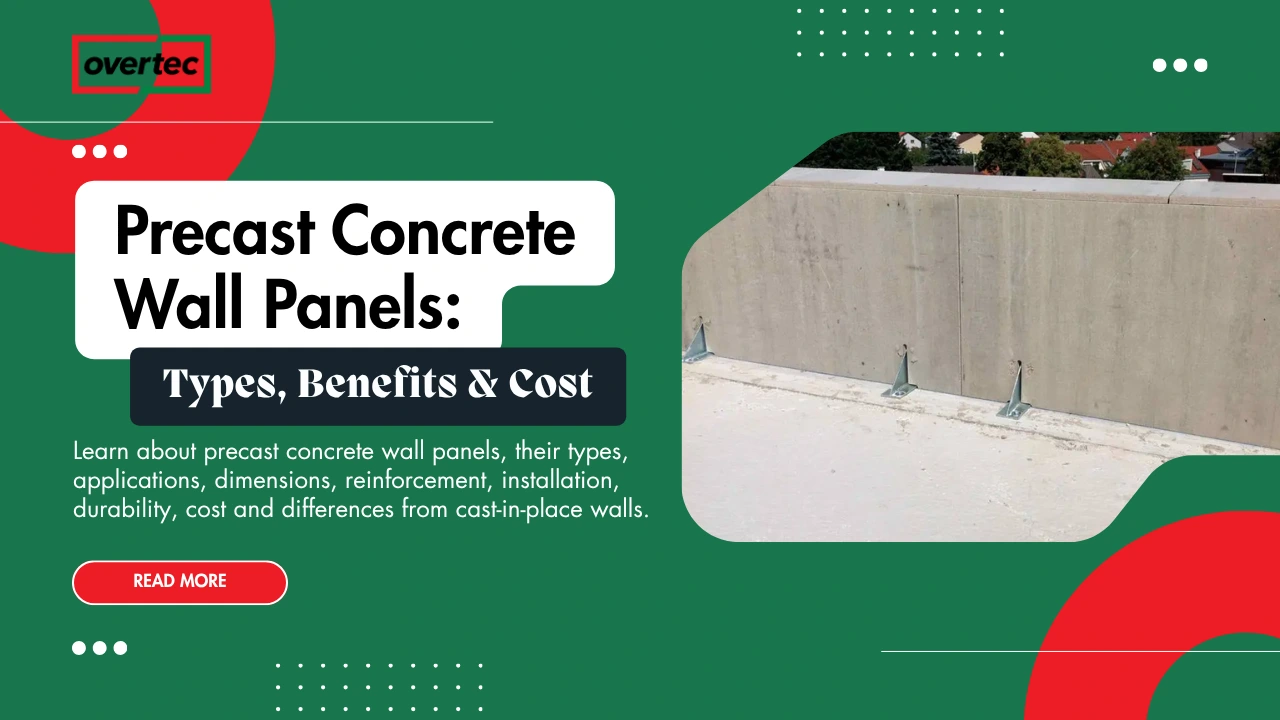
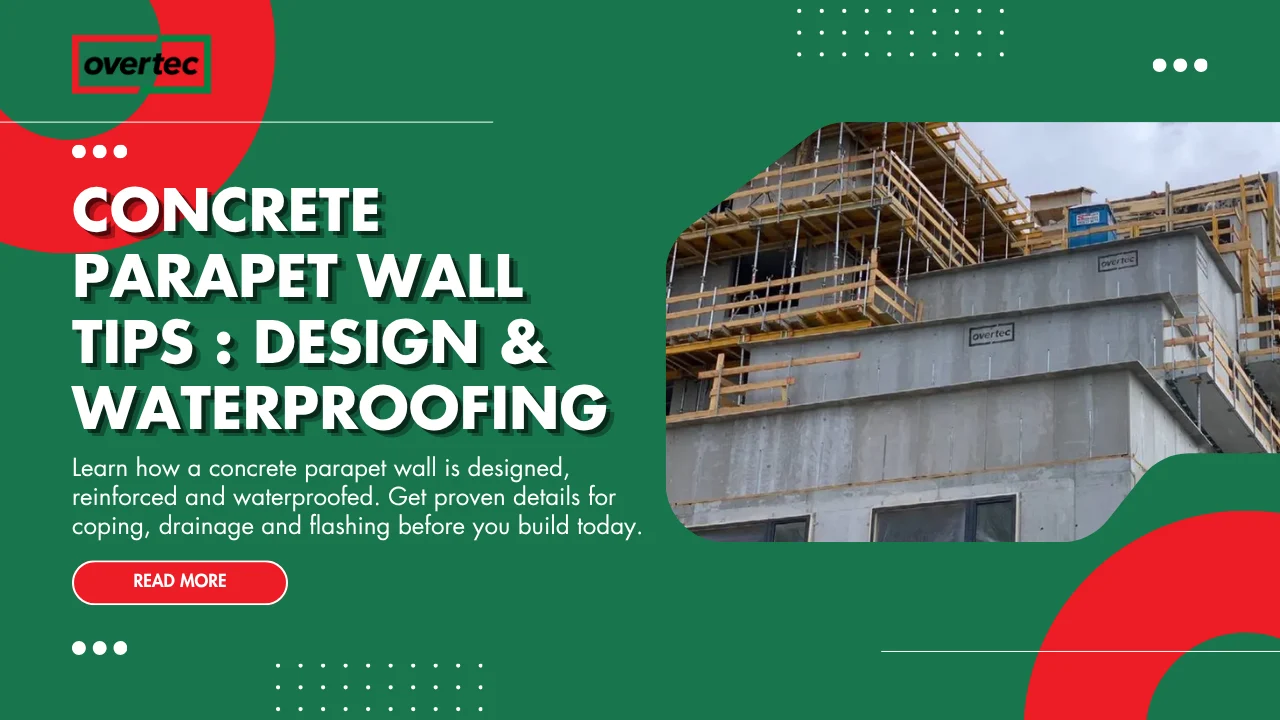
A parapet cap (also known as coping) is the protective covering installed on top of a parapet wall.
Its primary function is to shield the parapet from direct exposure to rain, UV radiation, and temperature fluctuations.
Role of Parapet Coping in Waterproofing Systems
The parapet cap acts as the first line of defense against water entering from above.
It ensures that rainwater is directed away from the wall surface, preventing penetration into the parapet core and underlying roof layers.
Importance in Overall Roof Edge Finishing
Beyond protection, the parapet cap defines the visual finish of the roof edge.
However, aesthetic considerations must never override functional performance, as improper detailing can compromise the entire waterproofing system.
Parapet Cap Detail: Key Design Principles for Waterproofing
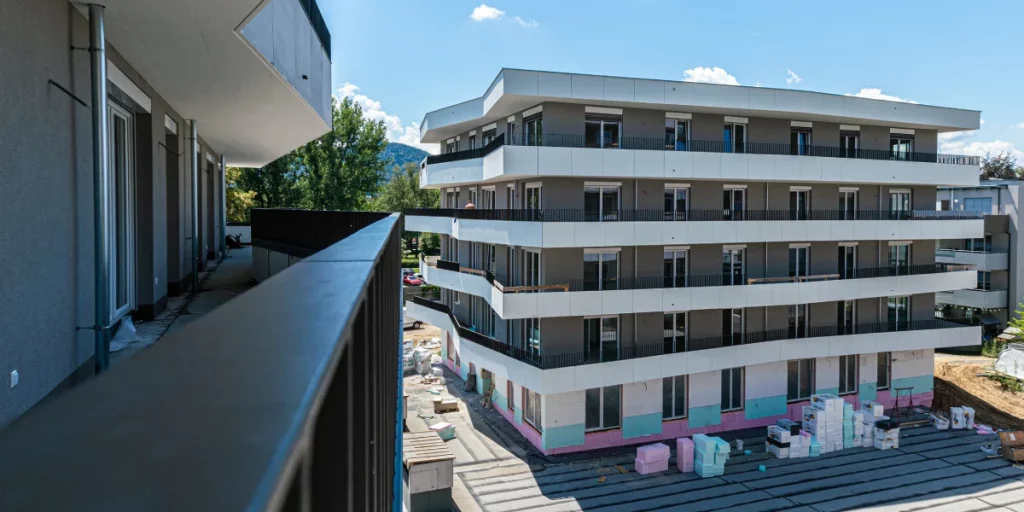
A correct parapet cap detail must address both water protection and structural movement.
It is not just about covering the top—it is about controlling water behavior at the roof edge.
Overhang and Drip Edge Design
The cap must extend beyond the parapet wall on both sides to create a drip edge.
This ensures that water detaches cleanly and does not run back along the façade or into the wall assembly.
Integration with Parapet Waterproofing Layers
The parapet cap must work together with flashing and membrane systems.
If the cap is installed without proper integration, water can bypass it and enter through joints or edges.
Allowance for Thermal Expansion and Movement
Materials expand and contract due to temperature changes.
A well-designed coping system accommodates this movement without cracking or losing its seal.
Common Failures in Parapet Caps and Roof Edge Finishing
Parapet cap failures are often the root cause of hidden water damage.
These issues typically arise from poor detailing or material selection.
Water Ingress Through Cap Joints
Joints between cap sections are vulnerable points.
If they are not properly sealed or designed to shed water, moisture can enter and spread within the parapet structure.
Backflow and Capillary Action
Without proper drip edges, water can travel backward under the cap due to surface tension.
This leads to moisture penetration even when the cap appears intact.
Cracking and Material Degradation
Rigid materials, especially concrete caps, are prone to cracking over time.
These cracks allow water to penetrate and accelerate deterioration of the parapet wall.
Metal vs Concrete Parapet Cap: Material Comparison
Choosing the right material is essential for long-term performance.
Each option has advantages and limitations that must be considered.
Concrete Parapet Cap Performance
Concrete caps are widely used due to their robustness and traditional appearance.
However, they are heavy, prone to cracking, and require careful sealing to prevent water ingress.
Metal Parapet Cap Advantages
Metal caps, typically made from aluminum or steel, offer better flexibility and resistance to cracking.
They allow for precise fabrication and can incorporate integrated drip edges and expansion joints.
Long-Term Durability and Maintenance Considerations
Metal systems generally require less maintenance compared to concrete.
They provide better long-term performance when properly installed and integrated with waterproofing systems.
Parapet Waterproofing and Cap Integration: A System Approach
A parapet cap should never be considered in isolation.
It must function as part of a complete roof edge waterproofing system.
Interaction Between Flashing, Membrane and Cap
The flashing directs water away from the wall, while the membrane protects the roof surface.
The cap completes the system by preventing water entry from above.
If these elements are not aligned, the system fails.
Importance of Continuous Water Management
Water must be controlled at every stage—from the roof surface to the parapet top.
A discontinuity at any point allows water to penetrate and accumulate within the structure.
Modern Parapet Cap Solutions for Improved Roof Edge Performance
Modern construction focuses on reducing risk through better design and prefabrication.
This approach is particularly effective for parapet systems.
Prefabricated Parapet Cap Systems
Prefabricated caps are manufactured with precise dimensions and integrated features.
This reduces installation errors and ensures consistent performance across projects.
Integrated Roof Edge Finishing Systems
Modern systems combine parapet structure, flashing, and coping into a unified solution.
This integration eliminates weak points and improves overall durability.

Related Solution: Overtec Parapet Systems with Integrated Cap Design
Overtec provides prefabricated parapet systems that simplify roof edge construction and improve waterproofing reliability.
These systems are designed to integrate cap, structure, and waterproofing into a cohesive solution.
Precision and Reduced Risk in Parapet Cap Installation
Overtec systems eliminate many of the uncertainties associated with on-site fabrication.
The cap and parapet are designed together, ensuring proper alignment and water management.
Benefits for Architects and Builders
These systems offer faster installation, improved durability, and reduced maintenance requirements.
They also support sustainable construction by minimizing material waste and rework.
Learn more at overtec.com
Conclusion
The parapet cap is a critical element in roof edge protection, not just a finishing detail.
When properly designed and integrated, it prevents water ingress, protects the structure, and enhances durability.
Modern prefabricated systems offer a more reliable approach, ensuring consistent quality and reducing the risks associated with traditional construction methods.
Investing in the right parapet cap solution is essential for long-term building performance.
FAQ – Parapet Cap
A parapet cap is a protective covering installed on top of a parapet wall to prevent water penetration and protect the structure.
It prevents water from entering the parapet from above and ensures proper drainage away from the wall.
Metal caps are generally more flexible and durable, while concrete caps are more traditional but prone to cracking.
By using proper detailing, ensuring correct installation, and integrating it with the overall waterproofing system.