Skip to content




A flat roof parapet is not just an architectural edge—it is one of the most technically demanding and failure-prone elements in the entire building envelope.
While the roof surface is designed for drainage and protection, the parapet forms a complex junction where vertical and horizontal systems meet. This intersection becomes the most vulnerable zone for water ingress, thermal bridging, and structural stress.
In practice, many flat roof failures do not begin in the membrane itself, but at the roof edge parapet detail, where multiple materials, trades, and design decisions intersect. A poorly designed parapet can compromise the entire roof system, leading to long-term performance issues and costly repairs.
What Is a Flat Roof Parapet and Why It Is Critical in Roof Design
A flat parapet roof includes a vertical extension of the exterior wall that rises above the roof surface.
This element serves functional, structural, and aesthetic purposes, making it indispensable in modern architecture.
Functional Role of a Flat Roof Edge Parapet
The parapet provides edge protection, conceals drainage systems, and prevents water from directly flowing over the building façade.
It also acts as a containment boundary for roofing layers, allowing proper integration of waterproofing systems and insulation. Without a parapet, managing water flow and protecting façade elements becomes significantly more complex.
Architectural Importance in Modern Roof Parapet Design
Contemporary buildings favor clean, minimalistic rooflines.
Parapets enable this by hiding roof slopes, drainage outlets, and technical installations.
However, this aesthetic advantage introduces technical complexity, as hidden systems require precise detailing to ensure performance.
Flat Roof Parapet Detail: Understanding the Multi-Layer System
A flat roof parapet detail is not a single component but a combination of multiple interdependent layers.
Each layer must be correctly designed and executed to maintain the integrity of the system.
Structural Layer and Parapet Base Construction
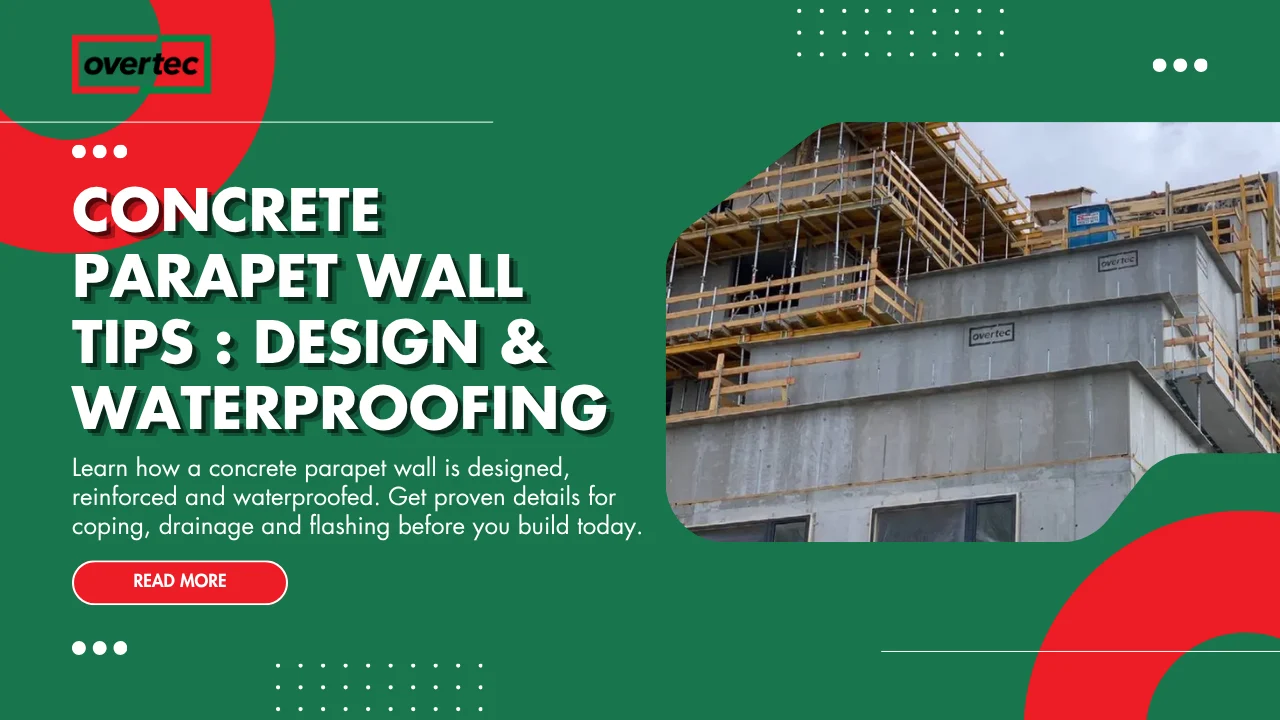
The parapet structure is typically built using concrete, masonry, or prefabricated elements.
This structural base must be dimensionally accurate, as even small deviations can create complications for waterproofing and flashing alignment.
Insulation Continuity and Thermal Performance
The insulation layer must extend seamlessly from the roof into the parapet.
Interruptions in this layer create thermal bridges, which lead to energy loss and condensation issues. Maintaining continuity is one of the most critical challenges in traditional parapet construction.
Waterproof Membrane and Parapet Wall Flashing Integration
The waterproof membrane must transition vertically along the parapet wall and integrate with parapet wall flashing.
This transition zone is highly sensitive to errors. If the membrane is not properly bonded or terminated, water can penetrate behind the system and remain undetected for long periods.
Coping and Roof Edge Protection Elements
The top of the parapet must be protected using a coping or cap system.
This element prevents water from entering from above and ensures controlled runoff away from the façade. Without proper coping, even a well-designed waterproofing system can fail.
Common Flat Roof Parapet Problems and Failure Mechanisms
The parapet is often the weakest point of the roof, not because of material failure, but due to design and execution complexity.
Failures at this location tend to develop gradually and become visible only after significant damage has occurred.
Water Ingress at the Roof-Parapet Junction
The intersection between the roof membrane and parapet wall is a critical leakage point.
Improper sealing, insufficient membrane height, or poor flashing integration can allow water to enter the structure and travel laterally within layers.
Thermal Bridging and Energy Loss at Parapets
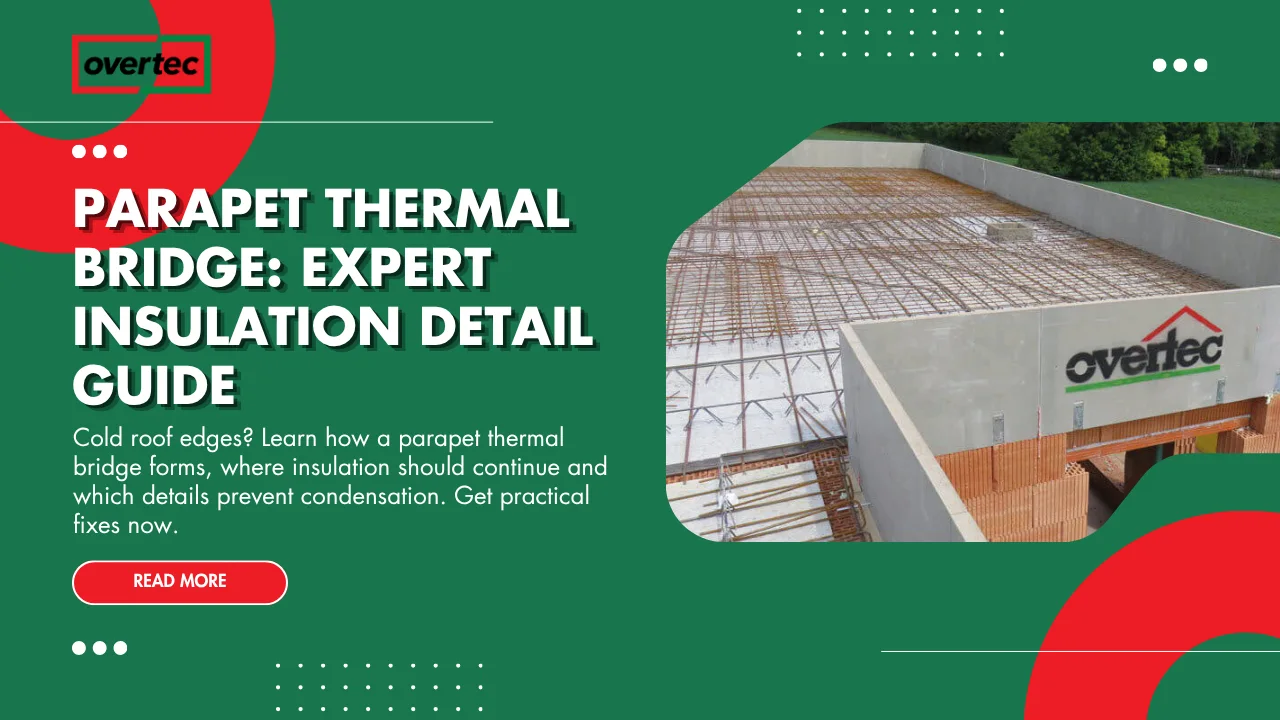
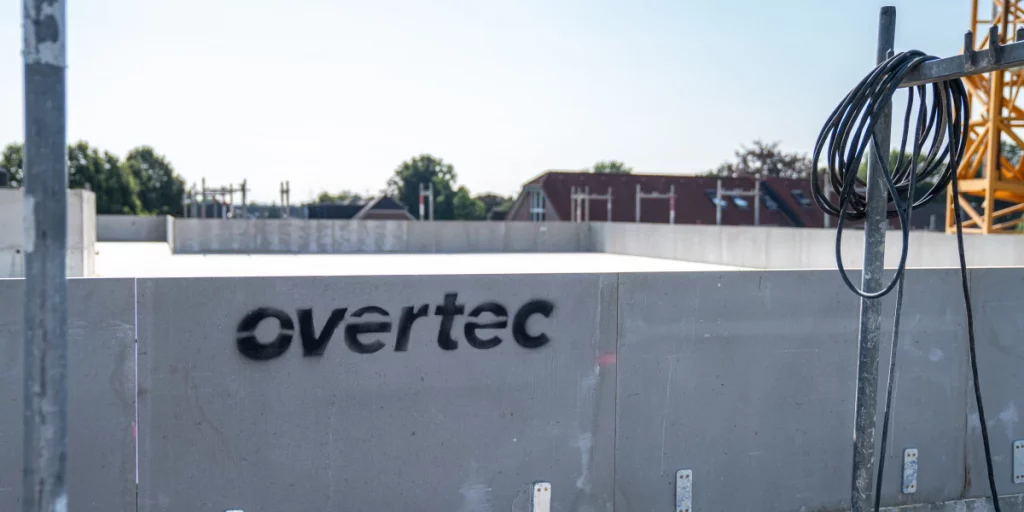
Traditional parapets made from concrete or masonry act as thermal bridges.
They create a direct path for heat transfer, reducing energy efficiency and increasing the risk of condensation. Over time, this leads to both comfort issues and structural degradation.
Cracking Due to Structural Movement and Weather Exposure
Parapets are exposed to temperature variations, wind loads, and structural movement.
Without proper design allowances, these stresses result in cracks that compromise waterproofing layers and accelerate deterioration.
Flat Roof Waterproofing at Parapet: Principles for Long-Term Performance
Effective flat roof waterproofing at parapet requires a holistic approach.
The goal is not just to prevent water entry but to control how water behaves across the entire roof edge.
Continuous Waterproofing System Without Interruptions
The membrane must form a continuous barrier from the horizontal roof surface to the vertical parapet.
Any discontinuity creates a direct path for water infiltration, making continuity the most important principle in waterproofing design.
Adequate Height and Protection of Waterproofing Layers
The waterproofing system must extend sufficiently above the finished roof level.
It must also be protected from UV exposure, mechanical damage, and weathering to maintain long-term performance.
Controlled Drainage and Water Flow Management
Water must be guided efficiently toward drainage points without stagnation.
Poor drainage increases hydrostatic pressure and places additional stress on parapet details, accelerating failure.
Roof Edge Protection Parapet Systems: Traditional vs Modern Approach
The construction industry is gradually shifting from traditional on-site methods to more controlled and precise systems.
This transition is particularly important for parapet construction, where small errors can have major consequences.
Challenges in Traditional Flat Roof Parapet Construction
Traditional parapet construction relies heavily on manual execution.
Variations in alignment, surface level, and joint quality create inconsistencies that complicate waterproofing and increase the risk of defects.
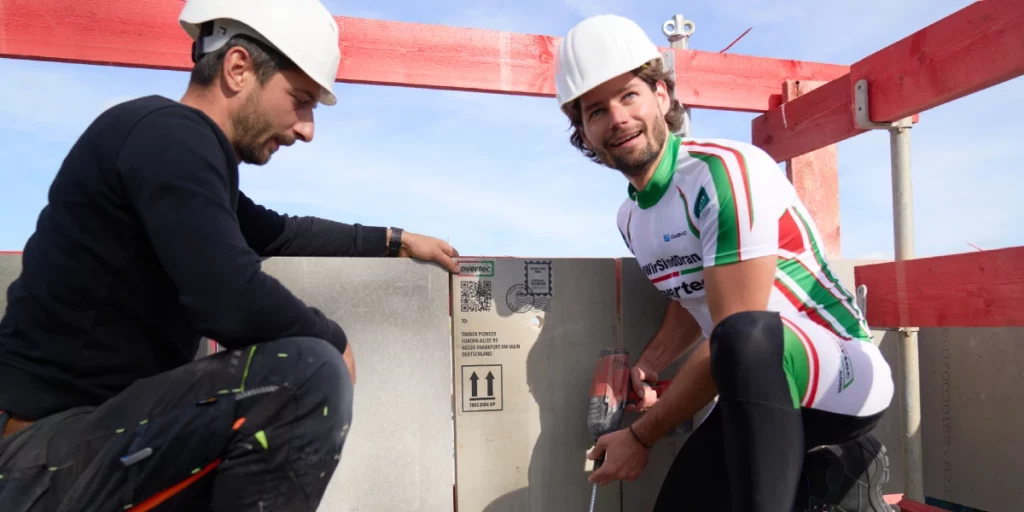
Advantages of Modern Prefabricated Parapet Systems
Prefabricated systems offer controlled manufacturing conditions and consistent geometry.
They reduce dependency on on-site adjustments and ensure that critical details, such as flashing and insulation integration, are executed correctly.
Related Solution: Overtec Flat Roof Parapet Systems
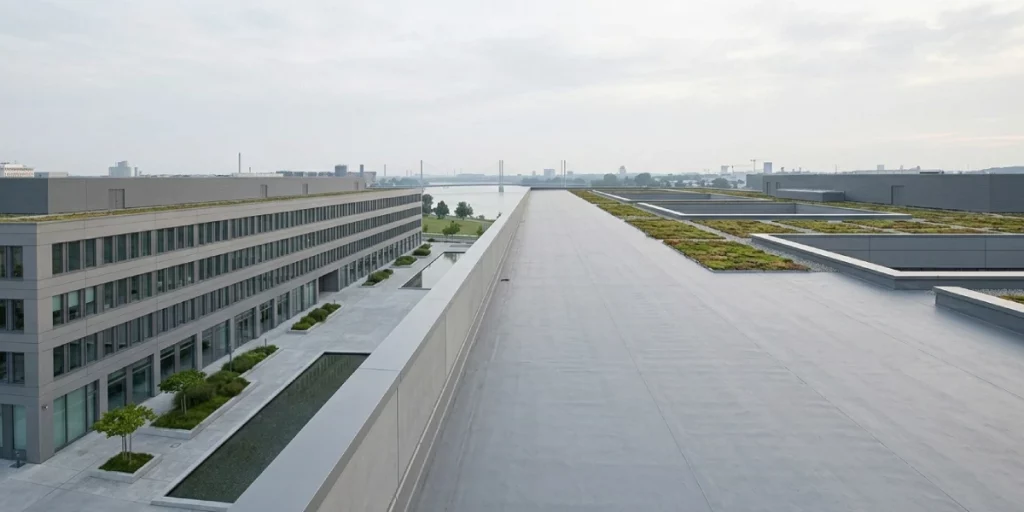
Overtec provides prefabricated parapet systems designed to improve the reliability and performance of roof edge construction.
These systems address the key challenges associated with traditional parapet construction.
Precision-Engineered Parapet Design
Overtec systems are manufactured with exact dimensions, ensuring consistent alignment and seamless integration with roofing layers.
This precision eliminates many of the uncertainties associated with on-site construction.
Improved Waterproofing and Reduced Risk
By integrating parapet geometry with waterproofing requirements, these systems reduce the likelihood of leakage and improve long-term durability.
They also support faster installation and better construction efficiency.
Learn more at overtec.com
Conclusion
A flat roof parapet is not just an architectural feature—it is a critical component that determines the long-term performance of the roof.
Poor design or execution at this point leads to water ingress, thermal inefficiency, and structural damage.
Modern prefabricated systems offer a reliable alternative, providing precision, durability, and improved integration with waterproofing and insulation layers.
Investing in a well-designed parapet is essential for achieving a durable, efficient, and high-performing roof system.
FAQ – Flat Roof Parapet
A flat roof parapet is a vertical extension of the building wall above the roof level that provides protection, supports waterproofing, and enhances design.
Failures usually occur due to poor waterproofing details, insufficient flashing, and lack of integration between construction layers.
By ensuring continuous waterproofing, proper flashing integration, and controlled water drainage.
Yes, because they provide consistent quality, reduce installation errors, and improve long-term performance.